
Summary:
Why Heavy Laundry Use Creates Dangerous Lint Buildup
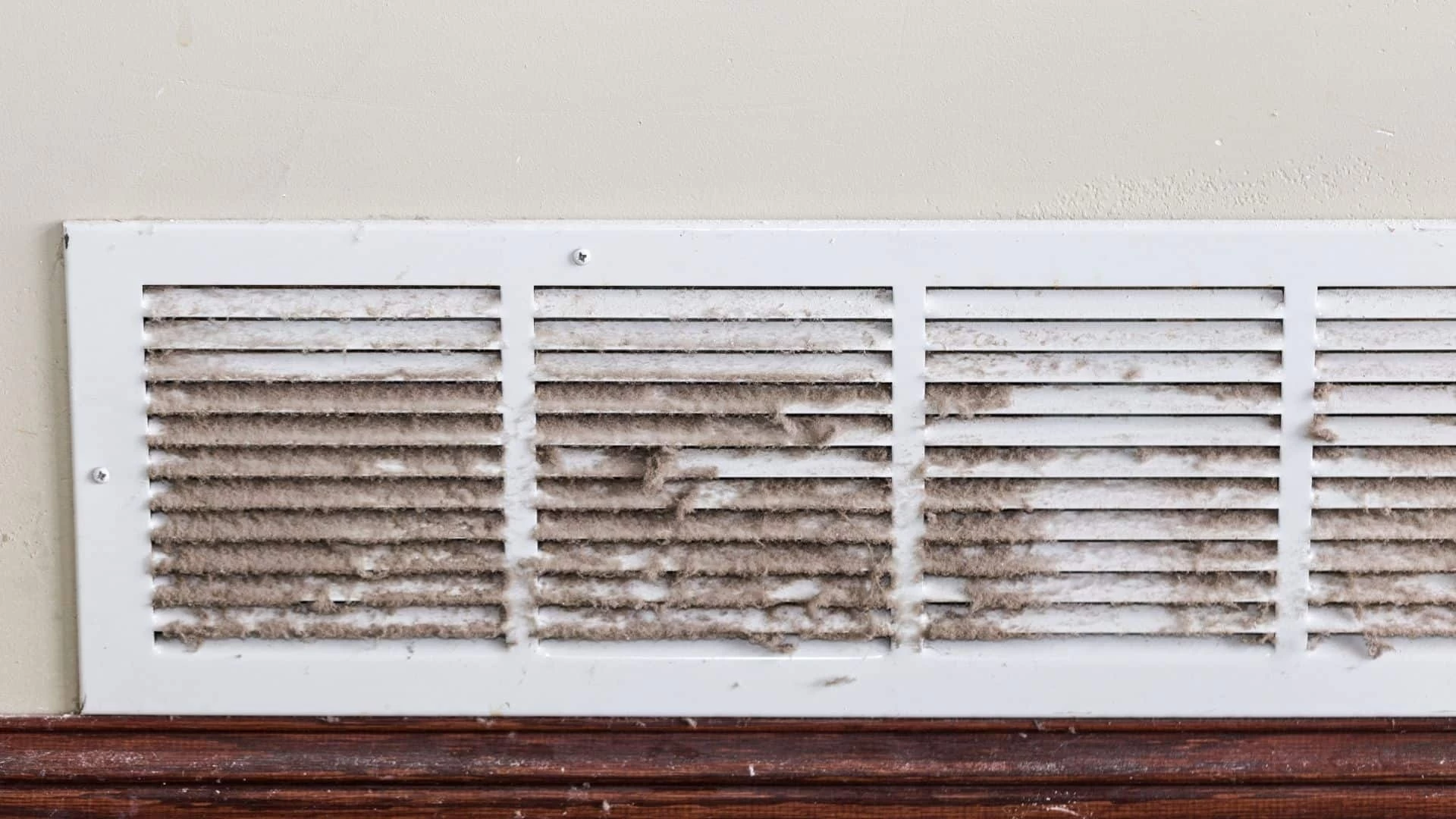
Families with multiple children, sports activities, and busy lifestyles generate significantly more lint than average households. Every load of laundry releases thousands of tiny fibers that escape your lint trap and travel through your dryer vent system.
When you’re running 6-8 loads per week instead of the typical 3-4, that lint accumulates at double or triple the normal rate. The problem compounds when you’re drying lint-heavy items like towels, sweatshirts, and bedding that busy families wash frequently.
How Clogged Vents Turn Your Dryer Into a Fire Risk
Here’s the scary truth: 15,970 home structure fires involving dryers occur annually, with 92% caused by clothes dryers. A dryer fire happens every 37 minutes in the U.S., and lint buildup is the primary culprit.
When lint blocks your vent, hot air can’t escape properly. Your dryer’s heating element continues generating temperatures up to 160°F, but that heat has nowhere to go. The trapped hot air creates the perfect conditions for lint to ignite—and lint is incredibly flammable.
The danger multiplies in busy households because you’re likely running back-to-back loads. Your dryer never gets a chance to cool down completely between cycles. Combined with heavy lint accumulation, this creates a ticking time bomb in your laundry room.
Even worse, many Hillsborough homes have longer vent runs due to larger floor plans and multi-story layouts. The longer your vent system, the more places lint can accumulate and the harder your dryer has to work to push air through. This extra strain generates even more heat and increases fire risk exponentially.
The Hidden Cost of Clogged Dryer Vents on Your Energy Bills
Beyond safety concerns, blocked dryer vents are silently draining your bank account. A clogged lint filter can increase energy consumption by 25-30% by restricting airflow. When your entire vent system is compromised, that number climbs even higher.
Think about it: if your dryer normally uses 3,000 watts per cycle but now needs to run twice as long to dry the same load, you’re essentially doubling your energy consumption. Families running 5-7 loads per week spend around $218 annually on drying costs under normal conditions. With blocked vents, that figure easily jumps to $300-400 per year.
The math gets worse for busy Hillsborough families. A family of 4 may use 24 kWh over 8 hours of dryer operation weekly. When vents are clogged, you might need 12-16 hours to achieve the same results, pushing your weekly consumption to 36-48 kWh.
Your dryer also works harder when fighting restricted airflow, leading to more frequent repairs and shorter appliance lifespan. The average dryer costs $600-1,200 to replace. When you factor in premature replacement due to overwork, clogged vents can cost thousands over time.
Warning Signs Your Hillsborough Home Needs Dryer Vent Cleaning
Smart homeowners don’t wait for disaster to strike. Recognizing early warning signs can prevent fires and save money before problems escalate. Your dryer and laundry room will tell you when something’s wrong—you just need to know what to look for.
The most obvious red flag is extended drying time. If your usual 45-minute cycle now takes 90 minutes or multiple cycles to dry completely, your vents are likely compromised.
Physical Signs That Demand Immediate Attention
Several physical indicators require immediate professional attention. Heavy items like towels taking too long to dry, or clothes feeling hotter than usual are classic symptoms of restricted airflow.
Check your clothes when cycles finish. If they’re still damp, uncomfortably hot to touch, or have a musty smell, your vent system isn’t functioning properly. Your laundry room shouldn’t feel like a sauna during operation—excessive heat and humidity indicate trapped air that should be venting outside.
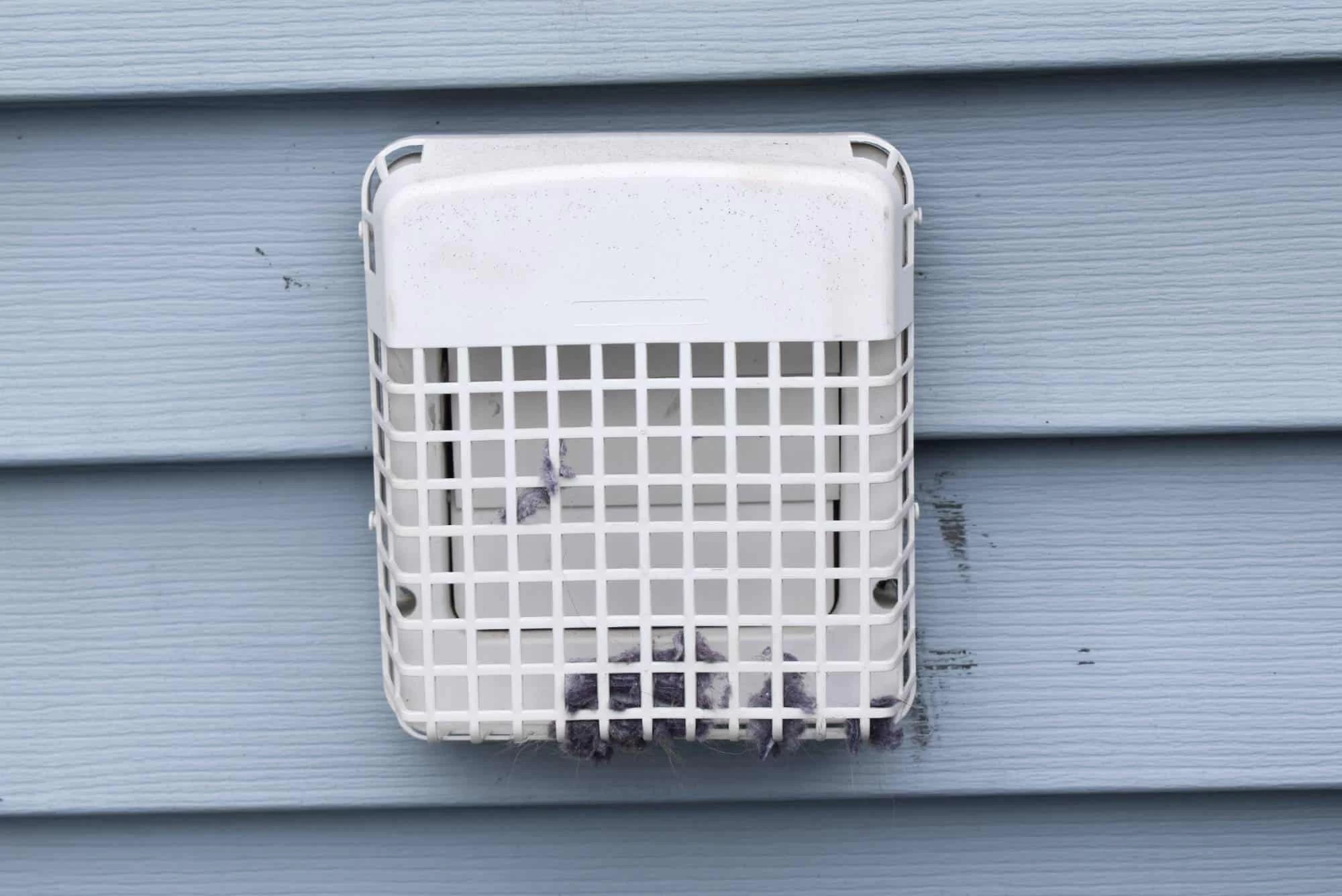
Look at your exterior vent hood while the dryer runs. You should see steady airflow pushing the flap open and feel warm air flowing out. If the flap barely moves or you notice lint accumulating around the exterior opening, your system is backing up.
Listen to your dryer during operation. Unusual noises like squealing, grinding, or the dryer shutting off mid-cycle often signal overheating due to blocked vents. Your dryer’s safety systems are trying to prevent a fire, but they’re also warning you about dangerous conditions.
Pay attention to your utility bills too. A sudden spike in energy costs without increased usage often points to appliance inefficiency caused by maintenance issues like clogged vents.
Safety Tips Every Busy Family Should Follow
Prevention beats emergency response every time. Smart maintenance habits can keep your family safe while maximizing your dryer’s efficiency and lifespan.
Clean your lint trap after every single load. This simple 30-second habit removes the majority of lint before it enters your vent system. Don’t just pull off the surface lint—use a dryer brush monthly to remove buildup from the trap’s mesh.
Most New Jersey homes need professional dryer vent cleaning every 1-2 years, but busy families should consider annual service. If you have a larger household running more drying cycles, especially when drying lint-heavy items like towels and blankets, you may need cleaning more frequently.
Never overload your dryer. Overloading leads to longer drying times, which equates directly to increased energy use and more strain on your vent system. Separate heavy items like comforters and wash them individually or take them to a commercial facility.
Schedule professional inspections if you notice any warning signs. Every dryer vent cleaning should include a complete inspection to identify potential fire hazards or efficiency problems. Don’t attempt DIY vent cleaning beyond your lint trap—professional equipment and expertise are essential for thorough, safe cleaning.
Protect Your Hillsborough Family With Professional Dryer Vent Cleaning
Your family’s safety and your household budget deserve better than hoping your dryer vent “probably” works fine. Professional cleaning cuts drying times in half, ensures clothes come out properly dry, and prevents dangerous overheating.
The investment pays for itself through lower energy bills, extended appliance life, and most importantly, peace of mind knowing you’ve eliminated a serious fire hazard from your home. With thousands of dryer fires occurring annually in New Jersey, proper maintenance dramatically reduces your family’s risk.
Don’t wait for warning signs to become emergencies. We provide expert dryer vent cleaning that keeps busy Hillsborough families safe and saves money on every load.